
Technology
A 55-Year-Old Math Problem Was Solved—This Time by Humans
By Marcus Chen
Advertisement · Why this ad?
Marcus manages the day-to-day editorial workflow across all brands, coordinating coverage assignments and ensuring editorial standards are met. He previously served as city editor at the Pioneer Press and holds a degree in Political Science from Carleton College.
More from Marcus →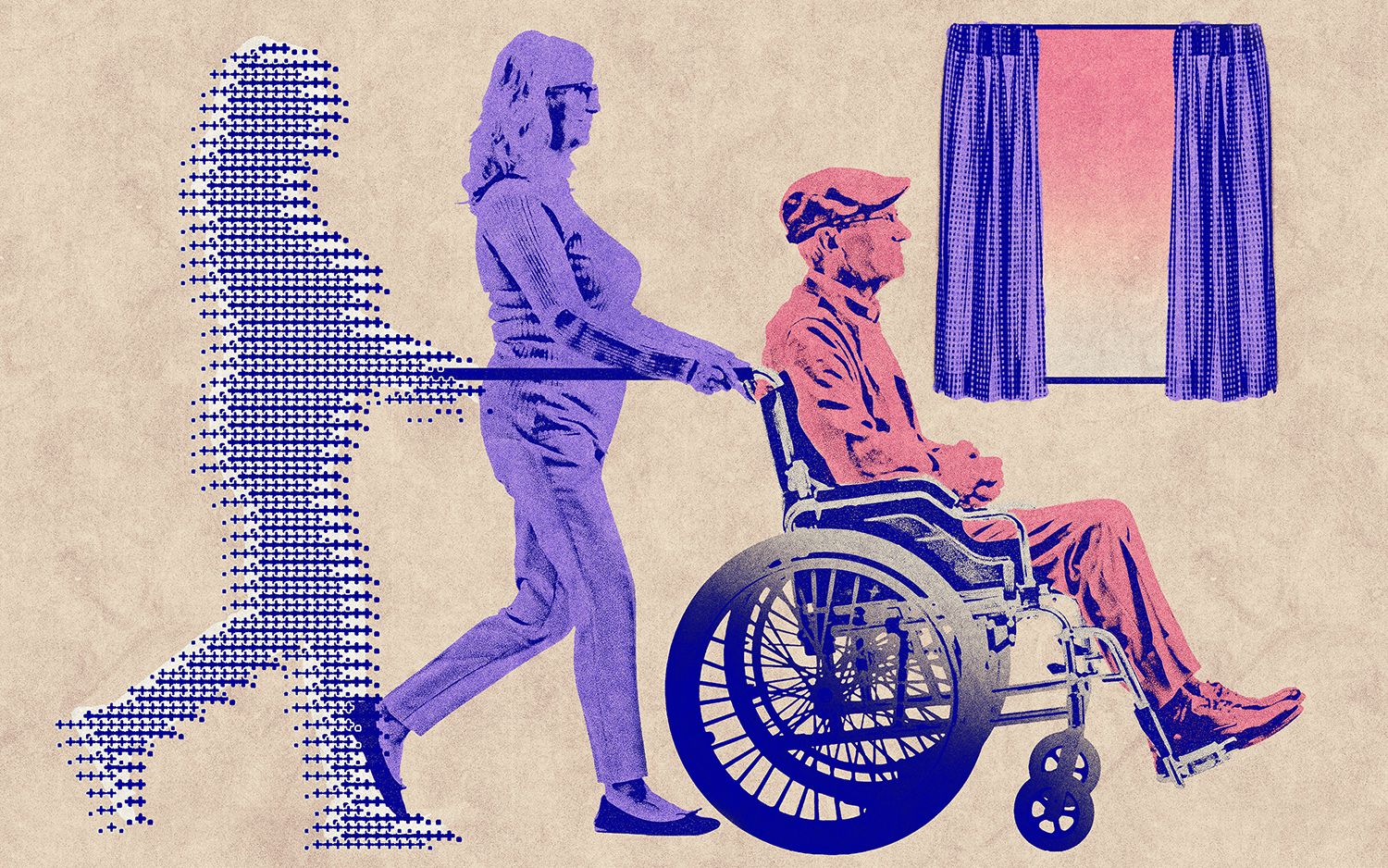
The relentless demands of caring for a loved one with complex medical needs can feel overwhelming, a sentiment deeply understood by many New York families. As one caregiver shared, “It’s tough.” This reality is underscored by the fact that an estimated 63 million Americans will be providing care for adults or children with medical conditions or disabilities by 2025, often dedicating up to 27 hours per week to the task. Recognizing this growing caregiver crisis, a burgeoning market of caregiver apps promises to lighten the mental load and streamline the complex process of managing medical needs, appointments, and communication.
The challenges faced by caregivers are significant, often leading to poor health, financial strain, and isolation. According to AARP, in 2025, an estimated 63 million Americans will be providing care for adults or children with medical conditions or disabilities. On average, these caregivers spend up to 27 hours per week providing care, a staggering commitment that highlights the urgent need for better support systems. This crisis is worsening, and families are desperately seeking ways to manage the complexities of caregiving while maintaining their own well-being.
Several apps have emerged to address the diverse needs of caregivers, ranging from medication tracking to care plan coordination and now, incorporating artificial intelligence (AI) to further simplify the process. Medisafe, established in 2013, provides medication reminders and tracks missed doses, along with a drug interaction checker. Caring Village, founded in 2015, offers an appointment calendar, to-do lists, and an AI assistant named Julia to answer caregiving questions. In 2022, Bret Koncak created Mejo, a web-based caregiver app that consolidates medical histories into a shareable one-page summary for easy sharing. The premium version includes daily journaling, allowing caregivers to stay on the same page without verbal catch-ups. Brett Rowell, whose son Briggs has cerebral palsy, is working on Briggzy, an app designed to help him and his wife manage their son's care more effectively; it is slated for a wider launch in 2027. Nasha Fitter, who has a daughter with a rare disease, launched Citizen Health in 2024 to collect and store medical records in a secure portal. Most recently, Citizen Health unveiled Ari, an AI “health teammate” currently in beta, that tracks care and symptoms through text-based interactions, accesses medical records and calendars, and even assists with insurance navigation.
The integration of AI into these platforms is intended to provide caregivers with proactive support, such as suggesting questions for medical appointments and identifying patterns in symptoms. Ari, for instance, can access medical records, patient portals, and Google Calendar events to summarize information and prepare caregivers for appointments. The goal, according to Citizen Health, is to eventually make Ari available and useful to all caregivers and patients. Brett Koncak of Mejo is also exploring ways to incorporate AI to help users formulate appropriate questions for medical appointments.
Bioethics and health law researcher I. Glenn Cohen, a professor at Harvard Law School, acknowledges the potential benefits of AI in healthcare but cautions users to understand the risks involved, particularly regarding data privacy. He points out that caregiver apps are often not regulated as medical devices, meaning their safety and efficacy are not subject to FDA review. Furthermore, the health information entered into these apps is typically not protected by HIPAA, relying instead on contractual promises that may absolve companies from responsibility. Cohen also warns that caregiver information, along with details about parents and other caregivers, may be collected and used beyond the intended purpose.
Denise M. Brown, CEO of the Caregiving Years Training Academy, cautions that maintaining these apps can be tedious and overwhelming. “We have to upload data to the app (care plans, schedules, tasks), and that’s a lot of work,” Brown stated. The lack of participation from healthcare professionals—physicians, nurses, and therapists—who often fail to update information within the apps places the burden squarely on the caregiver. This lack of consistent updates can diminish the value of the apps and lead to caregiver frustration.
While technology offers a potential lifeline for caregivers, Nicole Howell, director of direct care workforce development at the National Council on Aging, stresses that addressing the overall caregiver crisis requires a broader societal effort. She advocates for a collaborative approach involving government, private organizations, and families, emphasizing the need for open communication and innovative solutions. The development of caregiver apps represents a step in the right direction, but true relief will necessitate systemic change and increased support for those shouldering the immense responsibility of caring for others.
The emergence of these caregiver apps reflects a genuine need within our community and beyond. As someone who values the stability of families and the importance of committed relationships, I see the strain on caregivers as a significant societal challenge. The reality is that the demands of caregiving often erode the very foundations of family life – time for spouses, for children, for personal well-being. While these apps offer a glimmer of hope in streamlining tasks and improving communication, we must be realistic about their limitations. Data privacy concerns are legitimate and demand careful consideration. More importantly, technology is a tool, not a solution. The deeper issue is the lack of affordable, accessible support services for families facing these challenges – respite care, home health aides, and mental health resources. We need to advocate for policies that prioritize these essential supports and recognize the invaluable contribution of caregivers to our society.
Closing CDC Caregiving: The caregiver crisis is a complex issue that demands a multifaceted response. While technology can play a valuable role in streamlining tasks and improving communication, it is essential to remember that these tools are not a substitute for human connection, compassionate support, and systemic change. As we move forward, let us prioritize the needs of caregivers and work together to create a society that values and supports the families who dedicate themselves to caring for others.
By Marcus Chen

By Marcus Chen

By Katherine Langford

By Katherine Langford