Business
Demerit system for contractors ‘not ruled out’, Hong Kong development chief says
By Marcus Chen
Advertisement · Why this ad?
Marcus manages the day-to-day editorial workflow across all brands, coordinating coverage assignments and ensuring editorial standards are met. He previously served as city editor at the Pioneer Press and holds a degree in Political Science from Carleton College.
More from Marcus →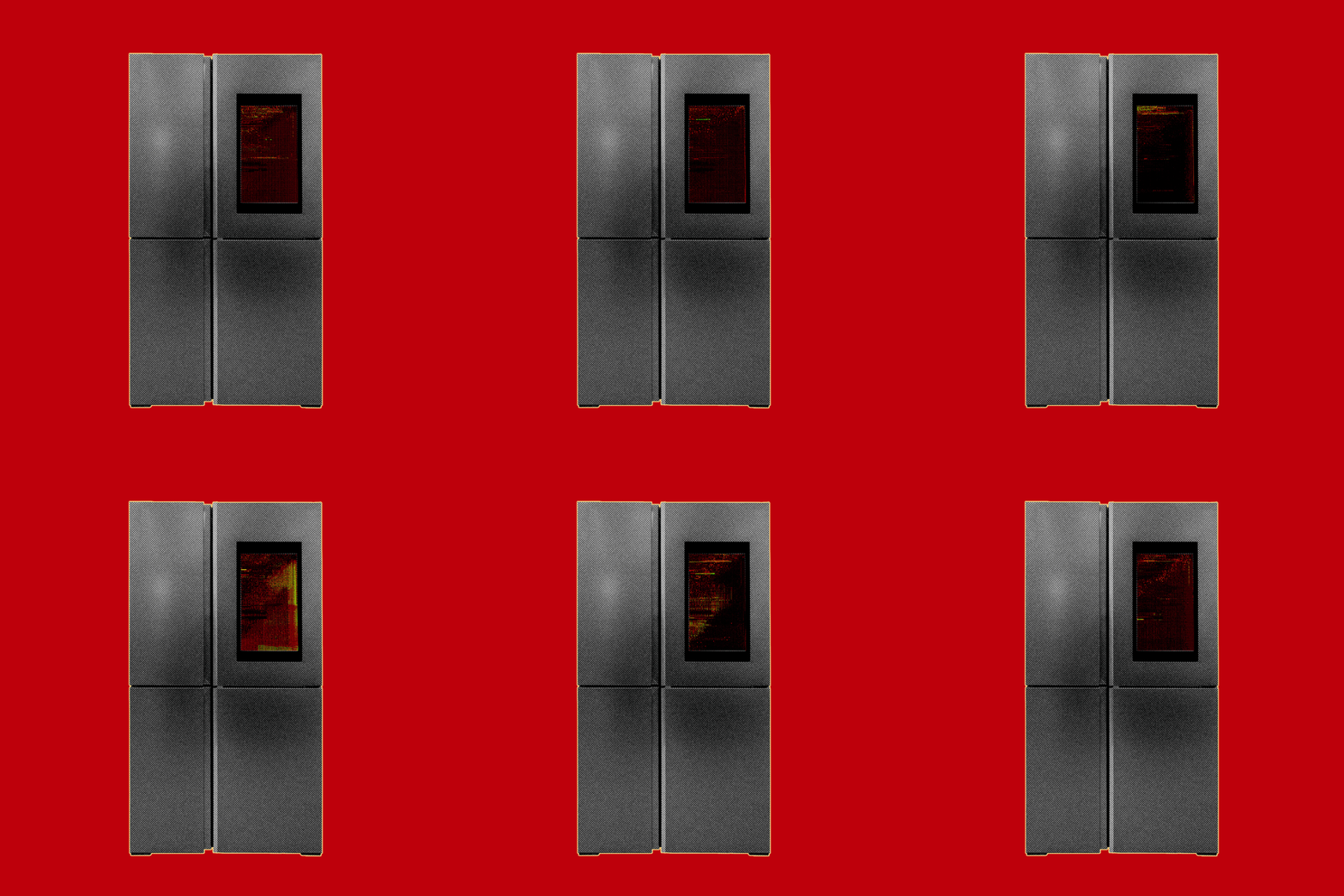
The image of spoiled food piled high in supermarket aisles across Europe is a jarring one, but it’s a stark reminder that even seemingly mundane technologies – like the refrigerators keeping our food cold – are vulnerable to cyberattacks. This week, incidents involving hacked refrigerators impacting blood storage facilities in France and supermarket chains across Europe underscore a critical truth: cybersecurity isn't just about defending against sophisticated AI threats; it's about protecting the basic infrastructure that sustains our lives. The Établissement Français du Sang (EFS) confirmed on Wednesday that cold rooms storing blood were briefly subjected to “very high temperatures” on November 2, a chilling incident thankfully averted by quick-thinking staff and alarm systems. Wired first reported the details of these escalating incidents.
The recent wave of attacks targeting refrigeration systems began last month with incidents affecting French supermarkets, forcing them to discard vast quantities of food. Similar attacks in August impacted commissaries and grocery stores on United States military bases, leading to spoiled food and prompting a joint investigation by the Pentagon and French law enforcement. Reuters reported on this collaborative effort. These incidents aren’t isolated; similar attacks targeted supermarkets in Russia and Israel in 2022, according to a 2025 report by Danfoss. The attacks involve manipulating temperature controllers, often exploiting unpatched vulnerabilities and, in some cases, weak passwords based on dates. Danfoss, the Danish firm that manufactures many of the affected controllers, has urged customers to update their firmware and secure their systems.
It is still unclear who is behind the incidents and whether the attacks are all connected or being carried out by multiple actors. Russian hacktivists initially claimed responsibility, though without providing verifiable evidence. Some cybersecurity researchers have identified potential links to Russia-based actors, while others suspect involvement from Iran-linked groups. US officials suspect Iran-linked attackers may have been behind the freezer attacks on US military bases, though investigations are ongoing. The Kremlin has denied any involvement in the attacks.
Many of the hacks stem from attackers exploiting vulnerabilities in temperature controllers made by the Danish firm Danfoss, and researchers say the attacks would not have been particularly difficult to pull off. Danfoss did not return WIRED’s request for comment. In other statements, Danfoss Danfoss impacted systems “were running outdated firmware” and urged customers to keep products updated. The US Cybersecurity and Infrastructure Security Agency (CISA) has issued an alert emphasizing the potential for attacks to exploit authentication bypasses, arbitrary code injections, and weak configurations in cold storage systems. CISA highlighted these vulnerabilities and urged organizations to take immediate action.
Experts have long warned about the dire threats to critical infrastructure posed by these types of weaknesses in so-called internet-of-things (IoT) devices. “It’s been true for more than a decade now that our dependence on connected technology is growing faster than our collective will to protect it, which has exposed us to accidents, adversaries, and now potentially agents,” says longtime critical infrastructure researcher Josh Corman, who is currently the executive in residence for public safety and resilience at the nonprofit Institute for Security and Technology. “These fragile cold-chain systems are too critical to fail, but we keep experiencing hard lessons.” This incident underscores the urgent need for businesses and government agencies to prioritize cybersecurity fundamentals, especially when it comes to critical infrastructure.
News of the attacks has understandably raised concerns among residents, particularly regarding the safety and reliability of critical infrastructure. The incident involving the blood storage facilities in France was especially alarming, highlighting the potential for these attacks to have serious consequences for public health. While the blood samples were not damaged, the incident served as a stark reminder of how vulnerable even essential services can be. Local supermarket chains are facing increased scrutiny and pressure to bolster their cybersecurity defenses.
The investigation into the attacks is ongoing, with authorities working to identify the perpetrators and determine the extent of the damage. “Many businesses use older technology while the systems become increasingly connected,” Sweden’s National Cyber Security Center Sweden's National Cyber Security Center in a recent advisory about the freezer attacks, noting that companies should inventory which of their devices are connected to the internet, disconnect them whenever possible, and make sure they are kept access-controlled, patched, and monitored if they must be connected.
What’s particularly unsettling about these refrigerator hacks isn’t the sophistication of the attack itself, but the fact that it targets something so fundamental—our food supply and medical resources. It’s a wake-up call that cybersecurity isn’t just about protecting financial data or intellectual property; it's about protecting the very foundations of our society. The ease with which these attacks were carried out, exploiting outdated software and weak passwords, points to a systemic problem: a lack of investment in basic security measures. For families, this means taking a closer look at the smart devices in our homes and ensuring they are properly secured. We need to remember that convenience often comes at a cost, and that cost can be our security. The long-term impact of these attacks could be a shift towards more stringent regulations and increased oversight of IoT devices, which may ultimately benefit consumers but will also require businesses to adapt. It's a sobering reminder that the digital world is not separate from the physical world, and vulnerabilities in one can have real-world consequences for all of us.
Residents concerned about cybersecurity risks can find valuable information and resources from the following organizations:
Local cybersecurity professionals are also available to provide consultations and support for businesses and individuals.
The recent attacks on refrigeration systems serve as a critical reminder that cybersecurity is a shared responsibility, requiring vigilance and proactive measures from individuals, businesses, and government agencies alike. As technology continues to permeate every aspect of our lives, it is imperative that we prioritize security and resilience to protect the systems that sustain our communities.
By Marcus Chen

By Marcus Chen

By Katherine Langford

By Katherine Langford